Best Essential Oils for Sleep and Anxiety
Lavender, bergamot, cedarwood and more. How to use calming essential oils safely as part of a wind-down routine.
24 July 2026 · 1 min read
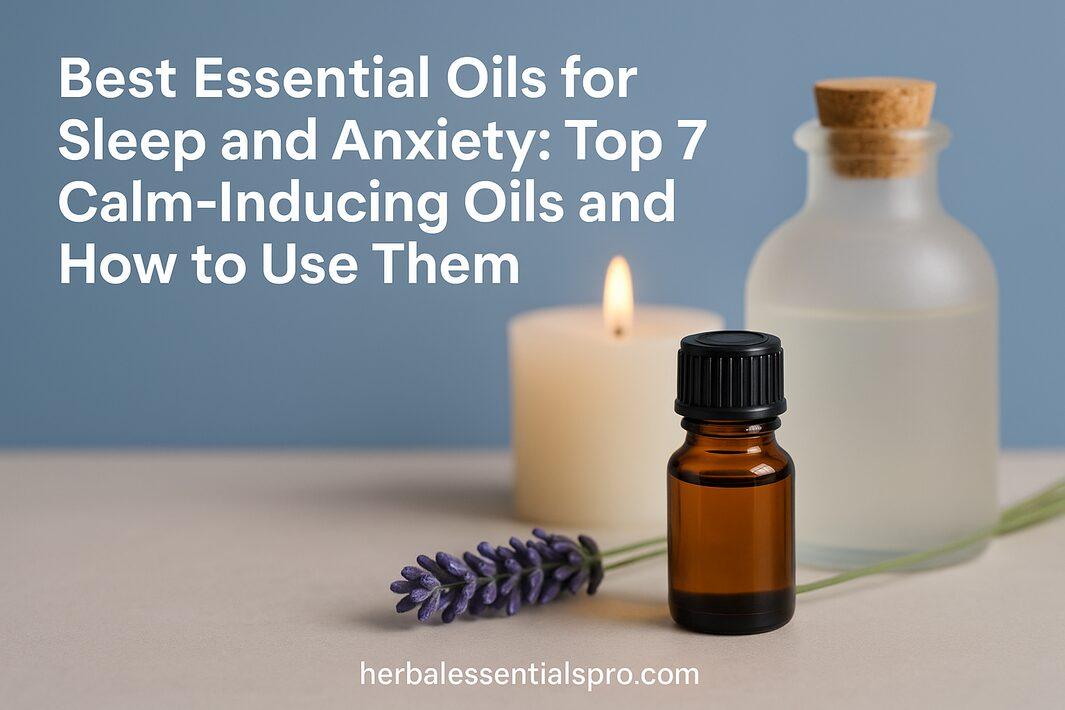
Scent is closely linked to the parts of the brain that handle emotion and memory. That's why a familiar smell can relax you almost instantly. Essential oils won't cure insomnia or anxiety, but they can be a pleasant cue that it's time to slow down.
Our favourite calming oils
Lavender. This is the most studied relaxing oil. Several small trials suggest that inhaling lavender may improve how people rate their sleep quality and reduce mild anxiety.
Bergamot. A citrus oil that's uplifting yet calming. Note that it's phototoxic on skin, so don't apply it before going in the sun.
Roman chamomile. It has a sweet, apple-like scent, and it's lovely blended with lavender.
Cedarwood. Woody and grounding, it's a favourite in "sleep" diffuser blends.
Clary sage. Herbal and musky, it's often used for relaxation.
Frankincense. Resinous and warm, it's often used during meditation.
How to use them safely
- Diffuse 3 to 5 drops in a diffuser for 30 to 60 minutes before bed, in a ventilated room.
- Put 1 to 2 drops on a pillow corner or a tissue, not directly where your face rests.
- Dilute before skin use. For adults, use about 2 to 3 drops per teaspoon of carrier oil (sweet almond, jojoba), which is roughly 1 to 2%.
- Never swallow essential oils unless a qualified professional directs you to.
Who should take extra care
- Babies, young children and pregnant women. Many oils aren't suitable, so check first.
- Pets. Cats in particular are sensitive to many oils, including tea tree and citrus.
- Asthma. Strong scents can trigger symptoms.
Pair it with tea
Our favourite bedtime routine is a diffuser of lavender and cedarwood, plus a cup of chamomile or passionflower tea.
If anxiety or poor sleep is affecting your daily life, talk to your GP. Effective help is available.
This article is for general information and isn't medical advice.